


Big tech adoption and a unique internet culture has moved the AI spotlight on China
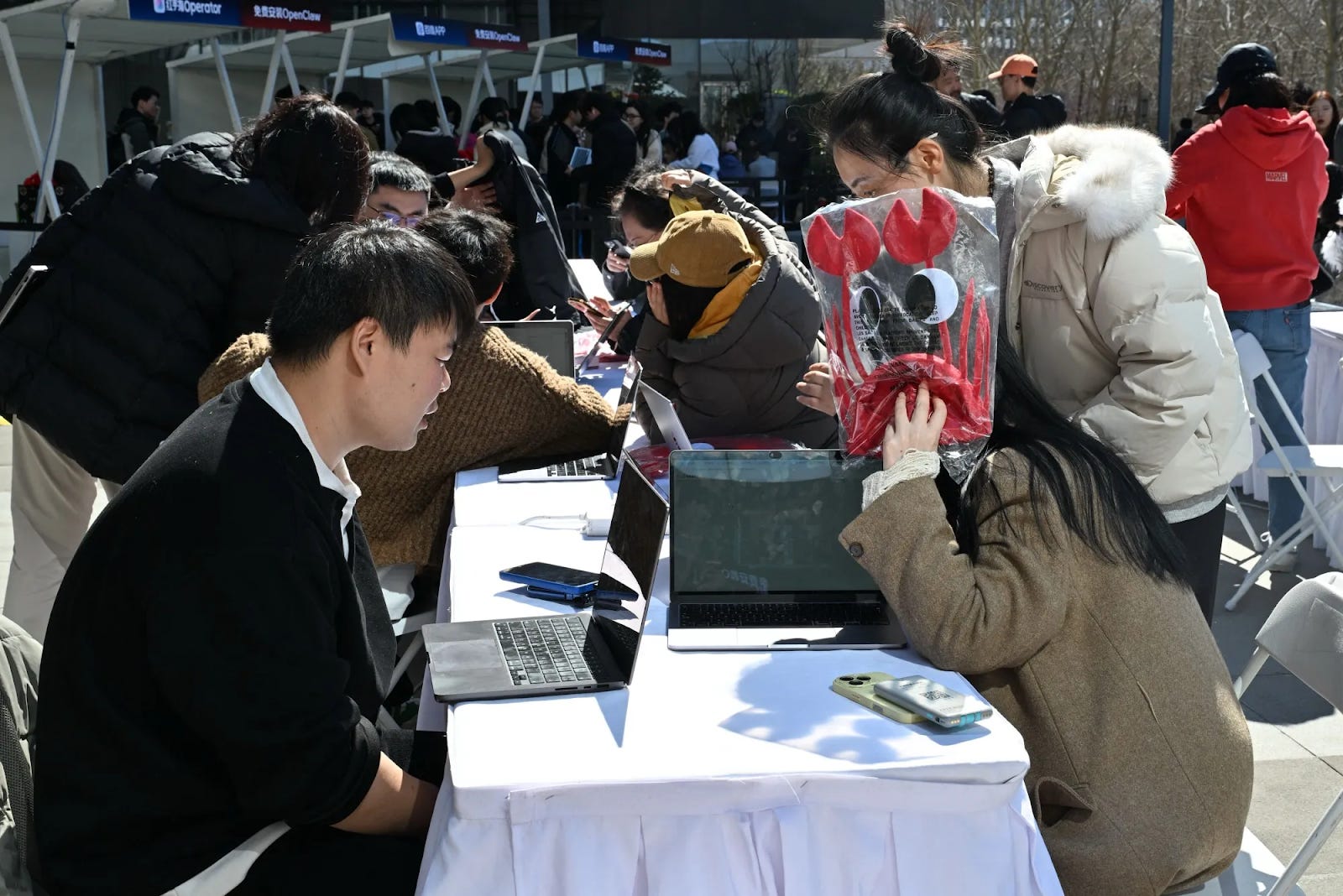
Nearly 1,000 people lined up outside Tencent’s Shenzhen headquarters, waiting to have OpenClaw installed on their devices. Similar scenes took place in Beijing, Shanghai, Chengdu and beyond. The stock markets shifted by trades made through it. The government was forced to issue two warnings.
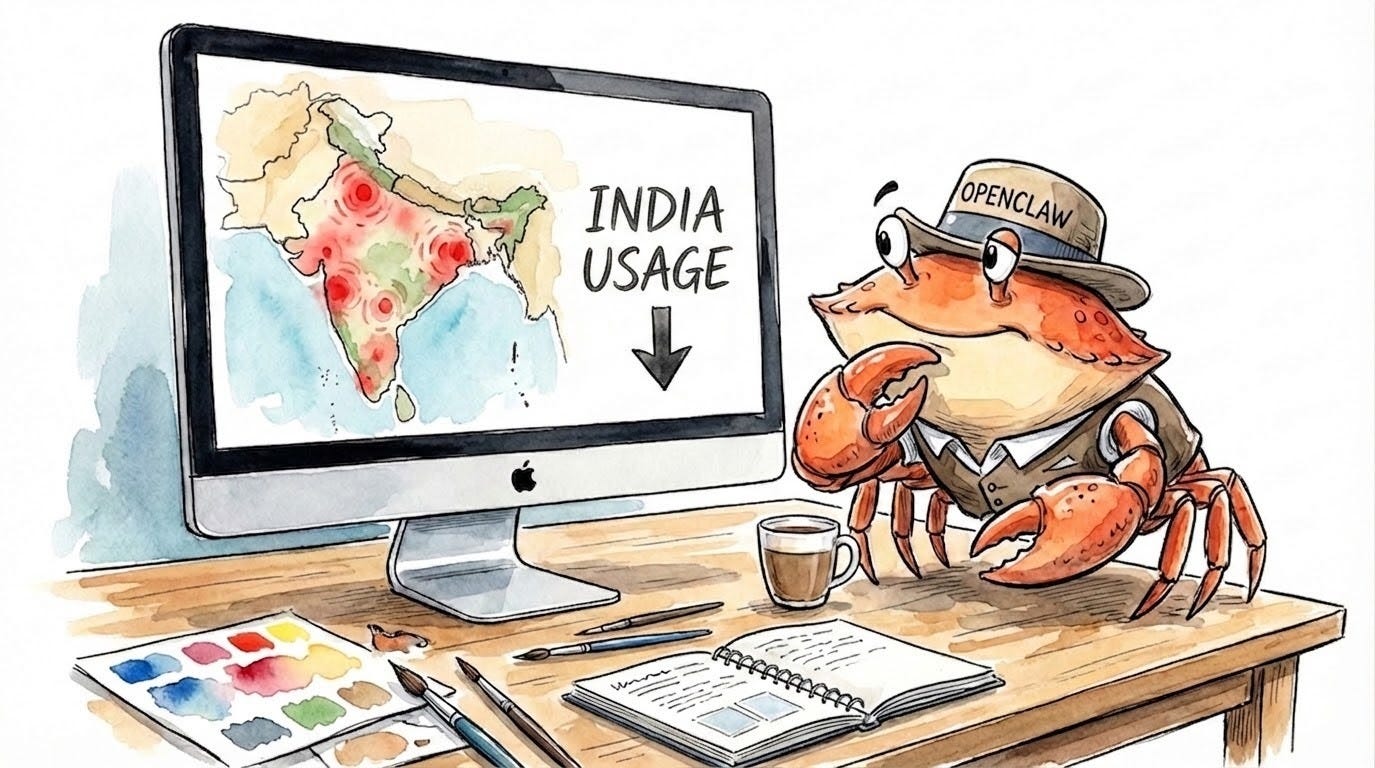
OpenClaw mania is alive in China. Over in India, though, the world’s second largest market, there’s barely a peep.
Pictures like this have helped represent the growth of OpenClaw in China, which has beenw written about by media like The New York Times, Wired and more.
The media is right to cover this, but just a month ago their pens and cameras were trained on New Delhi, as the who is who of the tech world came to town for India’s inaugural AI week, which featured Prime Minister Modi.
OpenAI, Claude, Perplexity and Google are among the AI giants that have spoken publicly of user growth in India, which has become the world’s biggest growth market for the industry. But, one month after that blockbuster AI event, the focus has shifted to the Chinese consumer market.
Why isn’t India going wild about OpenClaw? This week, we look at why that might be.
Big tech adoption
This is the crucial part, major companies have jumped aboard the OpenClaw wagon almost from the moment it launched.
MiniMax, Zhipu and Moonshot AI all added one-click installations for OpenClaw. Alibaba Cloud did the same using its Qwen AI sibling, and even a mobile friendly version, and ByteDance’s cloud computing unit launched its ArkClaw assistant which lives in the browser making it easy to install.
OpenClaw has also come to major products.
Alibaba is using its AI division to develop agents that can handle shopping for users on its e-commerce platforms, which have over 1 billion users. Tencent launched QClaw, a WeChat-integrated version it dubbed ‘lobster special forces’ which handle groceries, taxis, payments and more for the 950 million-plus users of its mini programs.
India simply doesn’t have its own consumer facing tech companies with this kind of influence. Its big firms like Infosys will fear the impact AI and agents will have on their core business.
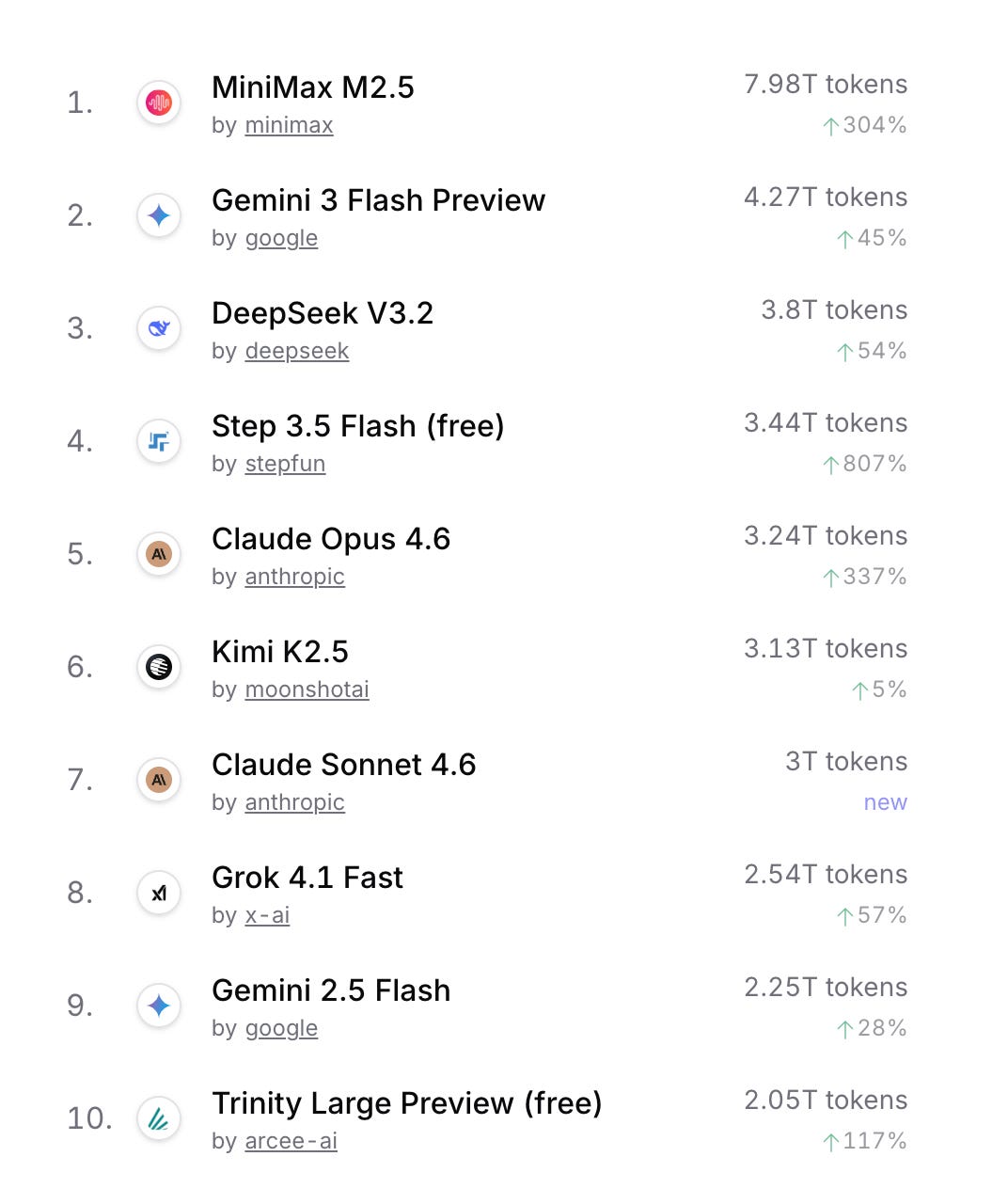
Chinese LLMs dominate usage of OpenRouter, an aggregator that’s often paired with OpenClaw
Different internet cultures
China, and the Chinese population, is an early adopter of technology trends by nature. Whether cryptocurrencies, live commerce, messaging apps, the Chinese population is often among the first to run with the newest trends.
One long-time China-based journalist friend speculated that this is down to a desire to make money, or explore opportunities to make money. That’s backed up by an anecdote in a Wired article that tells how one user “thought OpenClaw could make him rich, even though he didn’t really understand how the viral AI agent software worked.”
But even then, a key component is missing in India. China’s internet spans PC and smartphone, whereas India is an overwhelmingly mobile landscape.
Mobiles have accounted for as much as 80% of India’s internet traffic, according to Statcounter, with estimates suggesting as many as 41% of users access the web exclusively through a smartphone. OpenClaw is computer-based, which means it’s not just unfamiliar to Indian users, it’s literally inaccessible to nearly half of them.
Culturally, Chinese internet users aren’t phased by convoluted processes and that may also play a part given the complexity of OpenClaw installation. Millions jump through hoops to get a VPN service, or deal with multiple Android app stores, jailbreaking devices or Android fragmentation.
Different kinds of investment
China is placing a major focus on all things AI as it pushes its self sustainability agenda. That spans from the chip companies whose creators power the process, to data centres, LLMs and more.
That’s put AI in the mainstream consciousness, and that helps explain why influencers, traders and others are always seeking an edge or exploring new developments.
China’s AI companies have moved more aggressively on OpenClaw as it can give differentiation and it fits with their innovation model of making technology accessible.
A typical setup that uses Claude or ChatGPT could cost from $20 to $200 or more per month. Chinese AI models are renowned for being cheaper and more efficient which is an appealing combination for OpenClaw users both at home and outside of China.
India has become a mecca for US AI companies, with the Modi administration focused on attracting investment into the country rather than self sufficiency. OpenClaw appears to be seen more as an enthusiast or developer tool rather than a mainstream product by those US firms.
Can India close the gap?
India is seen as a key gateway market for consumer facing AI in a similar way that it has been for social network businesses. The strategies OpenAI and Anthropic have adopted there will likely be tweaked and localised for expansion in other parts of Asia, Latin America and beyond.
Apps have been the key focus given smartphones are so dominant in the market. The first phase was downloads and usage, and now the big test in India is whether this impressive growth can translate to revenue.
OpenClaw could be part of US companies’ growth strategies in India if it can be successfully ported to mobile devices, but even that hasn’t happened in China yet. The more inevitable progression is that Claude, OpenAI and others become more agentic, picking up the functionality that makes OpenClaw popular.
Recent updates to the Claude desktop app, for instance, allow it access to folders, documents and extended memory, all of which takes it from being stuck in an app to more of a virtual assistant.
When this type of functionality lands on mobile, India will be a very key market. It simply wasn’t meant to be for OpenClaw in India.
The mobile-first point is the real crux here. With 41% of India's internet users smartphone-only and OpenClaw requiring desktop, the addressable market is structurally limited right now ..... but the deeper issue you've identified is the absence of a Tencent or ByteDance equivalent in India that can push agentic AI into a billion-user consumer surface. What's interesting from an India AI perspective is that players like Sarvam and Krutrim are explicitly betting on voice-first, mobile-native interfaces precisely because they understand this constraint. The path for India isn't desktop agents ..... it's agentic AI baked into WhatsApp-scale mobile apps.
There is also a disregard for personal security in this blind adoption in China.
Personally I am still evaluating adopting it as I haven't had time to evaluate how to install this carefully.