

When Meta agreed to buy AI startup Manus for $2.5 billion in January of this year, a phrase began to make the rounds online: the Singapore Flip.
Manus was a Chinese company, headquartered in China, backed by Chinese VCs and staffed predominantly by Chinese employees. Its origins set limitations on the business, which included the potential to be acquired by a US buyer.
But once it relocated its headquarters to Singapore and closed its Chinese offices, it became acquirable.
The Manus acquisition was Meta’s largest outlay on a technology company based in Asia, and a rare example of US Big Tech fishing outside of the US or Europe for a major strategic deal. It popularised the Singapore Flip, but it is not the first and it won’t be the last.
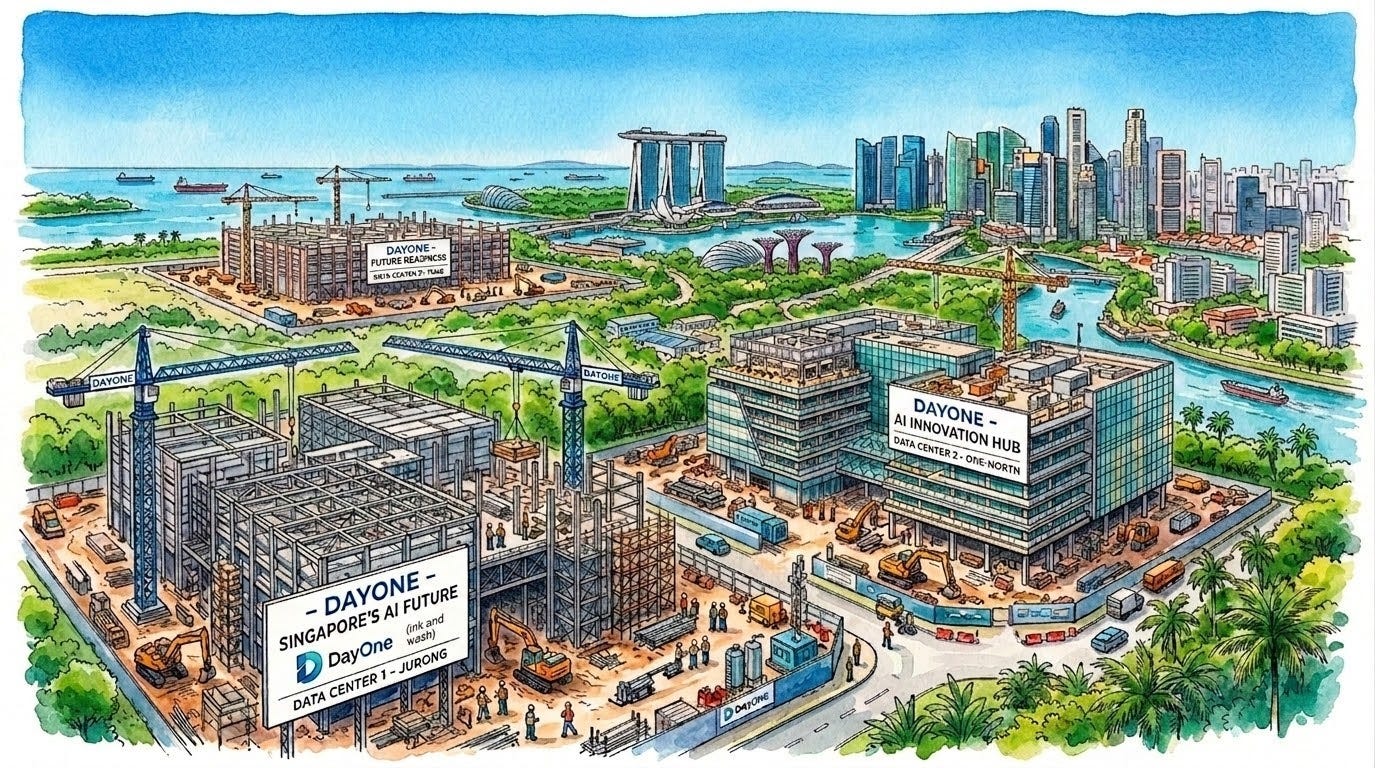
One company that might prove to be a repeatable blueprint for Chinese businesses is DayOne, a data centre business operating across Asia Pacific and Europe that looks headed to IPO. This Singapore-based company might be the most tactical and significant Singapore flip the tech world has seen so far.
DayOne is reportedly lining up banks to prepare for a US IPO to raise $5 billion at a potential valuation of $20 billion, according to reports from Reuters, Bloomberg and other media.
Yet, two years ago, it didn’t exist. It was GDS International, a subsidiary of China’s largest data centre operator. That transformation is a real-time case study in derisking for global geopolitics.
Strong demand
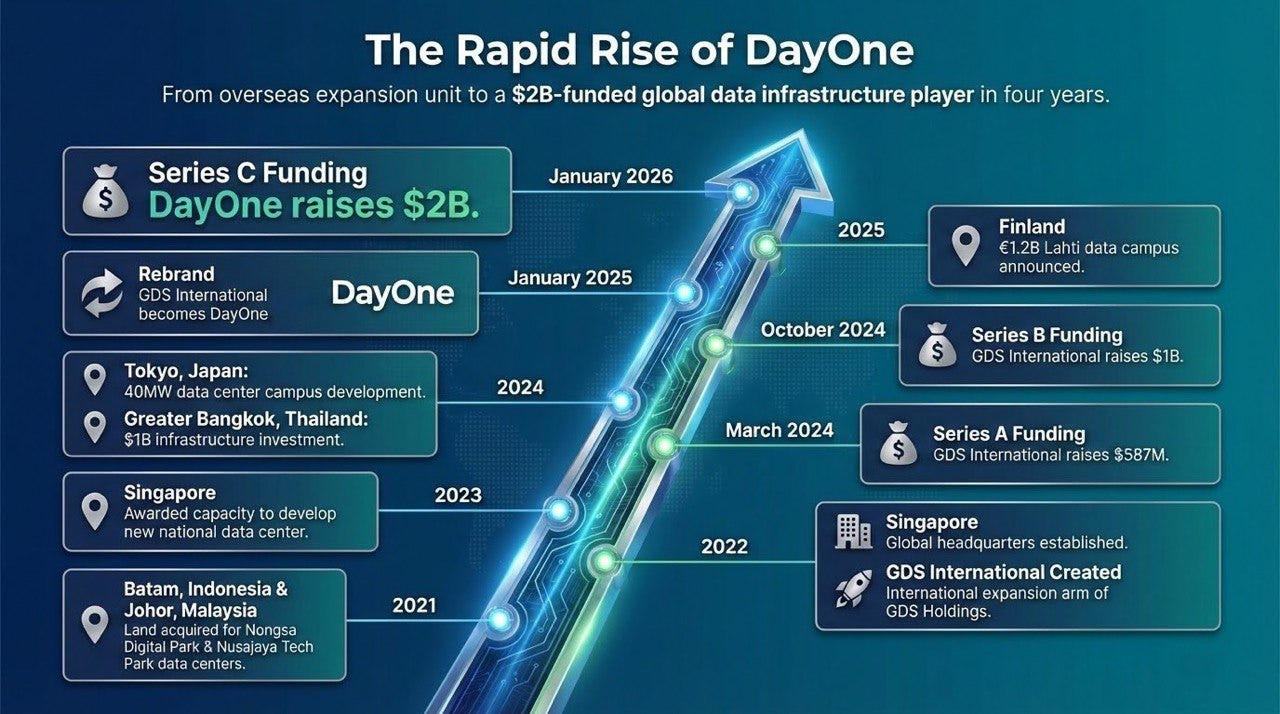
DayOne appeared on the radar of many early this year when it announced it had closed a $2 billion Series C investment round on January 5, 2026.
That round was led by New York-based private equity firm Coatue, which counts Uber, Canva, OpenAI and Snap among its portfolio companies. Indonesia Investment Authority, one of Indonesia’s two sovereign wealth funds, was among the other participating investors named.
The deal was one of the largest for a data centre operator anywhere in the world, but it was not DayOne’s first major investment haul.
The company raised $1.9 billion across its prior Series A and Series B deals in 2024. In 2025, it landed a debt facility of up to €1 billion courtesy of Brookfield Asset Management and an unnamed sovereign investor.
GDS recouped most of the $405 million it invested in DayOne, according to filings, but it stands to enjoy a major pay day. Its stake, an estimated 24%, could be worth $5 billion at the bell if DayOne’s $20 billion IPO valuation target is realised.
That’s nearly $5 billion in capital, and it has been used for expansion
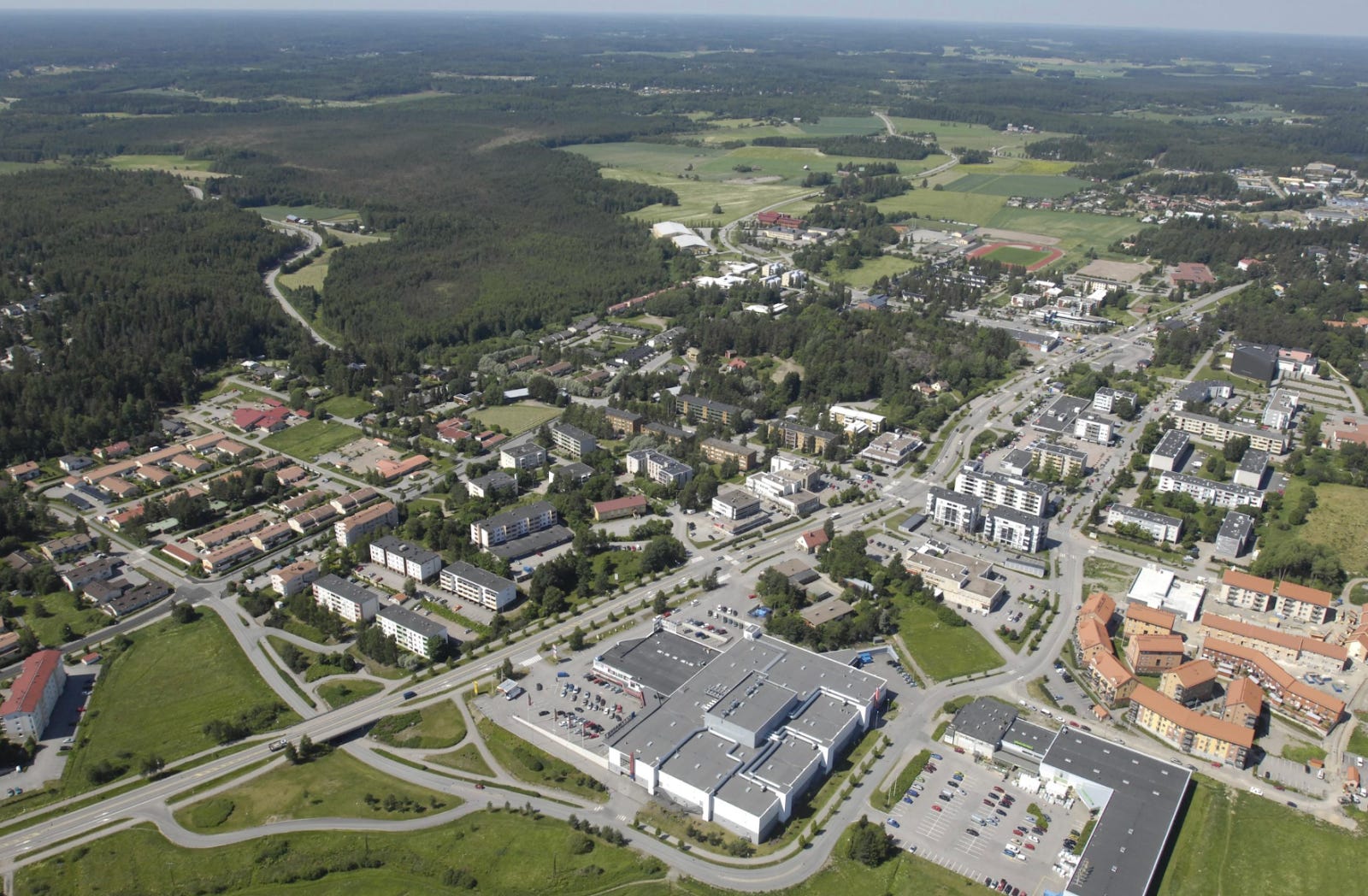
DayOne has grown its footprint in Southeast Asia, through initiatives that include Thailand’s first 1GW platform and a regional operations and training center in Malaysia. It also expanded to Europe having just opened its first location in Finland, which houses a hyperscale data centre campus.
So what is everyone in private equity getting so excited about?
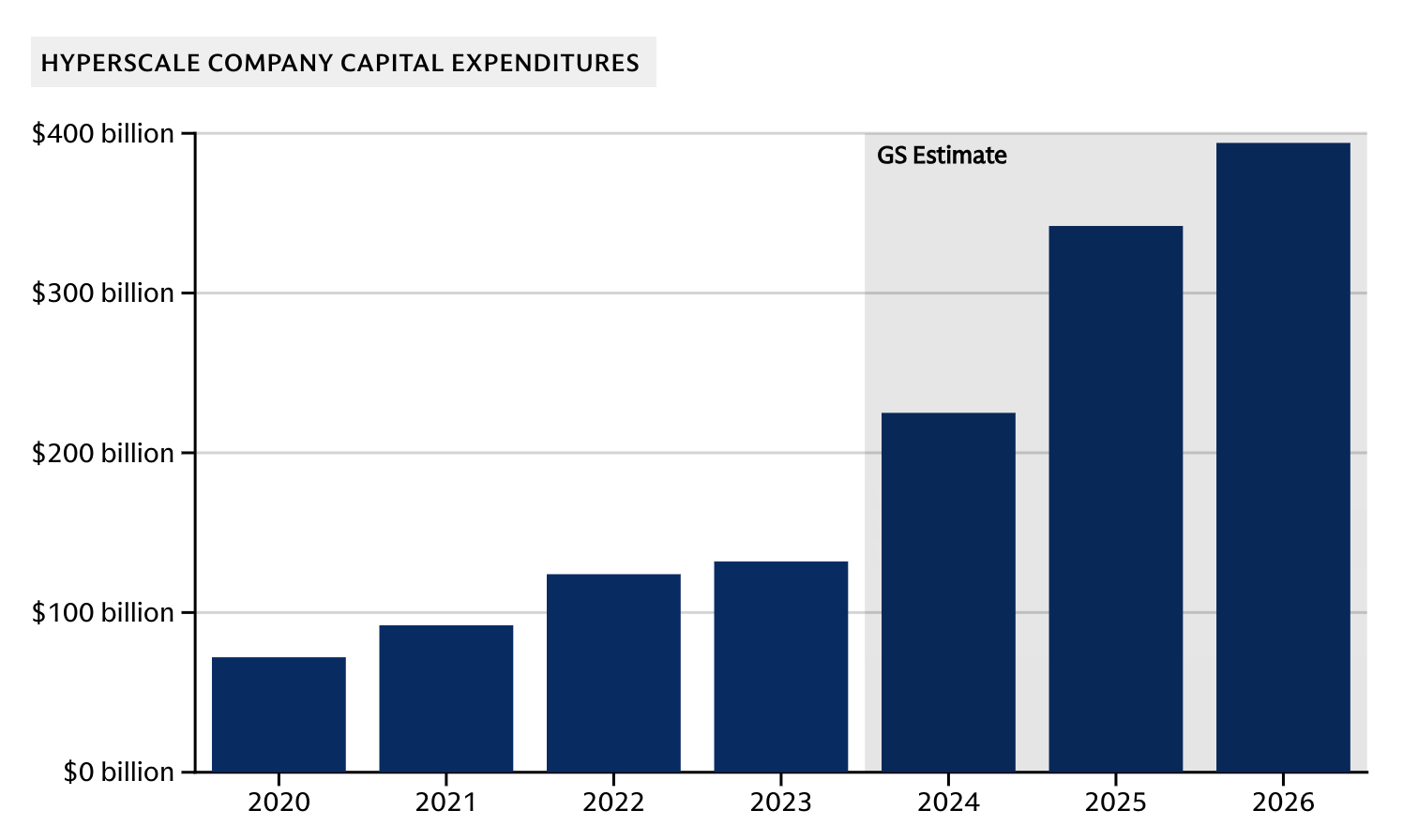
The surge in AI usage, which is visible in increased spending from tech giants and concentrated investing in AI companies, only delivers results if the infrastructure and ‘picks and shovels’ are there to enable it. We’ve seen AI chip companies fetch a very rich premium in public markets, for example Korea’s SK Hynix, and data centres are another critical piece.
Goldman Sachs, for instance, forecasts that demand for data centres will grow 50% by 2027. The firm sees a compound annual growth rate of 17% between 2025 and 2028. In short: the market is bullish.
More than that, however, regular data centres aren’t capable of performing to the requirements of today’s internet.
“Data centers from the pre-AI era are increasingly ill-suited for the demands of today’s AI workloads, and the era of simple retrofitting is coming to an end,” Goldman wrote in the August 2025 report.
DayOne’s narrative has a major focus on sustainability, and technology such as advanced liquid cooling, higher-power density and faster builds using modular racks that speed up the process of developing data centres.
DayOne’s assets include 480 megawatts of data centre capacity in service or under construction and a further 590 megawatts reserved for future development across Hong Kong, Indonesia, Japan, Malaysia and Singapore, according to a Reuters report
As a new entrant, DayOne gives investors exposure to a different facet of the AI boom, and it brings a more modern and AI-focused approach to the data centre industry. Plus, as is key to the overall business, it has pedigree after spinning out of one of China’s top players.
The Americanisation
GDS Holdings is China’s largest data centre operator. Listed on the Nasdaq and the Hong Kong Stock Exchange, it operates over 100 data centres which service major Chinese cloud service providers and internet companies.
DayOne started life as GDS International, which was formed in 2022 to house its non-China assets in Southeast Asia, Japan and Hong Kong. The plan to separate the China and international business became clear in 2024 after GDS International raised its $587 million Series A financing from funds that included Hillhouse and Boyu Capital.
GDS had diluted its share of the business to a minority holding (35.6%) when the Series B was completed at the end of 2024, and GDS International was renamed to DayOne in January 2025.
That Series B deal shaped the trajectory of DayOne. Not only did it total $1 billion and give the business the ownership structure to go independent, it welcomed US investors to the fold: Coatue and The Baupost Group, a Boston-based hedge fund. SoftBank Vision Fund and Citadel CEO Ken Griffin also took part.
That deal gave DayOne the independence to be its own business, and thus head to the public markets, but with the credibility of links to its parent. GDS founder William Huang still chairs both boards, DayOne has its own executive team and board and GDS has a stake that’s sizable but not controlling.
DayOne’s board includes a former Nasdaq vice president, an ex-SoftBank CEO and the chairman of agribusiness giant Olam which adds to its legitimacy in the eyes of the US market.
With a host of US-friendly backers, the company is poised for its next expansion to the US public markets. That could happen as soon as this year, according to a range of media reports.
A perfect storm
GDS is not a startup. This is a 24-year-old business that leads an industry that’s high on capex with revenue coming from partnerships with major companies. There’s a long sales cycle and expansion is expensive.
But still the DayOne template is remarkably simple and replicable.
Spin out the international assets, dilute the parental stake, bring in familiar faces to the cap table and board and maybe even find a company name that resonates better.
Other Chinese companies facing geopolitical headwinds are watching closely. ByteDance explored similar structures for TikTok, before it was forced to sell its US business. Companies in emerging industries like EVs or drones face the same challenge of accessing Western capital and markets without being an outsider.
Singapore is a commonly chosen location thanks to competitive taxes, government grant options, a stable political and economic environment and, particularly for DayOne, close proximity to its key markets for operations and investment in Asia.
The real question now is how long this setup will work for DayOne.
No doubt, there’s continued demand for what it offers but it only works if the separation with GDS is real. Huang, for example, may need to cease all involvement to satisfy regulators, lawmakers or investors concerned with any possible suggestion that a Chinese firm can have access to crucial data. GDS may need to cut its share of the business, if it doesn’t do so at the IPO.
But, to even be in the situation where those concerns are valid, shows how successful DayOne’s creation has been. Much is owed to being in the right place at the right time.